Achieving High Performance and High Availability for SQL Server

Register here to learn how high performance and high availability for Microsoft SQL Server can be achieved with solutions from Fusion-io and SIOS. This powerful combination delivers high-speed storage and high availability for SQL Server without the limitations of single copy clusters or AlwaysOn Availability Groups.

Make the switch and enjoy:

– Cost savings

– Higher database performance

– Smaller floor space requirements

– Lower cooling and power demands

… all without sacrificing availability.

The end result: faster performance at a fraction of the cost of a typical SAN with 100% data availability.

Featured Speakers:

Dave Bermingham is recognized within the technology community as a high availability expert and has been a Microsoft MVP in Clustering for the past three years. David’s work as Sr. Technical Evangelist at SIOS has him focused on delivering high availability and disaster recovery solutions. David holds numerous technical certifications and has over twenty years of technology experience focused on application availability.

Jamila Gunawardena is a Senior OEM Sales Engineer for Fusion-io. Jamila has over 15 years experience in Software Engineering and System Design with expertise in Internet, Bioinformatics, and Semiconductor DFM solutions. Currently, Jamila is focused on ISV and appliance partnerships at Fusion-io.

Geoff Hiten is a Microsoft SQL MVP and is currently an Infrastructure Architect for Intellinet. Geoff began working with SQL Server in 1992 with version 4.2 and has used every version since. He specializes in high-availability and high-performance SQL systems. Geoff is heavily involved in the Microsoft SQL Server Community and was initially awarded MVP status in 2004. Geoff was appointed in 2011 to fill an interim Director position at the National PASS organization.

Achieving High Performance and High Availability for SQL Server

Brotherly Love: Jazz Band Helps Stranded Students « CBS Philly

After the work day is done, this is what I like to work on…

Brotherly Love: Jazz Band Helps Stranded Students « CBS Philly.

If you would like to help fund our mission to support music education in our public schools, please visit our Indiegogo campaign page to find out about our fundraising campaign and how you can help.

http://www.indiegogo.com/mtownjazz

Now back to some Hyper-V Replica Performance Analysis which I hope to share with you soon…

Brotherly Love: Jazz Band Helps Stranded Students « CBS Philly

Installing Windows Server 2012 RC on VMware Workstation Step-by-Step

With Windows Server 2012 RC being released just yesterday, I wanted to see if I could still install it on VMware Workstation as I had done with the Beta version before. The good news is that everything works beautifully. Here is a nice picture of my Windows Server 2012 RC running in VMware Workstation 8.

I was also able to install the Hyper-V Server 2012 RC as well without a problem.

There certainly are a few tricks to be aware of in order to get them to install, so please reference my previous article for the detailed instructions.

https://clusteringformeremortals.com/2012/03/01/how-to-install-windows-server-8-beta-on-vmware-workstation-8/

It probably will only be a matter of time before I put Windows Server 8 RC on my laptop and switch to Hyper-V instead of VMware Workstation, but I’ll probably save that for another day when I don’t have some work to get done!

Installing Windows Server 2012 RC on VMware Workstation Step-by-Step

Everything you ever wanted to know about the Microsoft Private Cloud

I’d like to thank Hakan Yuksel for pointing out this great video series produced by Microsoft. Hakan has a blog that focuses on HA, BC, DR and Cloud, you should check it out at http://yukselis.wordpress.com

Day 1

· Introduction to the Microsoft Private Cloud with System Center 2012

· Configure & Deploy Infrastructure Components

· Configure & Deploy the Private Cloud Infrastructure

· Configure & Deploy Service Delivery & Automation

· Configure & Deploy Application Management

· Day 2

· Monitor & Operate Infrastructure Components

· Monitor & Operate the Private Cloud Infrastructure

· Monitor & Operate Service Delivery & Automation

· Monitor & Operate Application Management

Everything you ever wanted to know about the Microsoft Private Cloud

SQL Server 2012 “Standard Edition” Availability Options

Microsoft has announced that some of the most widely anticipated availability options being introduced with SQL Server 2012, including AlwaysOn Availability Groups, will only be available with the Enterprise Edition of SQL. The cost of SQL Server Enterprise is $27,496 for any server that has up to 4 physical processors vs. $7,172 for Standard Edition. If you plan on taking advantage of the “Read-Only” replica, you can double the cost of the solution ($54,992) since you have to license both the source and the target server. When you start talking about that kind of money, you begin to wonder if there is an alternative to AlwaysOn Availability Groups.

The good news is that Microsoft still allows you to build 2-node clusters using SQL Server Standard Edition, and since this is generally deployed in an active-passive configuration you do not have to license the standby server. So for $7,172 you can build a pretty robust 2-node SQL cluster, assuming you have an enterprise class SAN that you can use to store your cluster data.

What’s that you say, you don’t have a SAN? Or you’d rather build a solution that eliminates the SAN as a single point of failure and instead allows you to use data replication to keep the data in sync between cluster nodes the way that AlwaysOn Availability Groups allows you to? Or perhaps you want to use take advantage of the speed offered by local attached SSD drives such as those offered by Fusion-IO, but yet don’t want to give up on availability?

You’ll be glad to know that for the cost of a single copy of SQL Server 2012 Standard Edition and the very affordable addition of SteelEye DataKeeper Cluster Edition, you’ll be able to deploy 2-node SQL Server 2012 Standard Edition clusters with data replication for about half the cost of a 2-node SQL Server Enterprise Edition AlwaysOn Availability Group and about ¼ of the price of a AlwaysOn Availability Group with read-only targets.

Not only will you be able to save money, but if you answer yes to any of the following questions, AlwaysOn Availability Groups probably wasn’t the best solution for you to begin with and you would be better served by Windows Server Failover Clustering and DataKeeper Cluster Edition.

  • Am I concerned about the cost of SQL Server Enterprise Edition?
  • Do I use replication or log shipping?
  • Do I need to support Lync Server or other applications that use distributed transactions?
  • Do I need to ensure that SQL Agent jobs such as database backups, optimizations, DTS and others continue to run regardless of the node in service?
  • Do I need to ensure that SQL login accounts are kept in sync between cluster nodes?
  • Do I want to minimize my administrative burden?

The following chart summarizes your SQL Server 2012 availability options, including the 3rd option which is to build a traditional SQL cluster using Windows Server Failover Clustering with DataKeeper Cluster Edition.
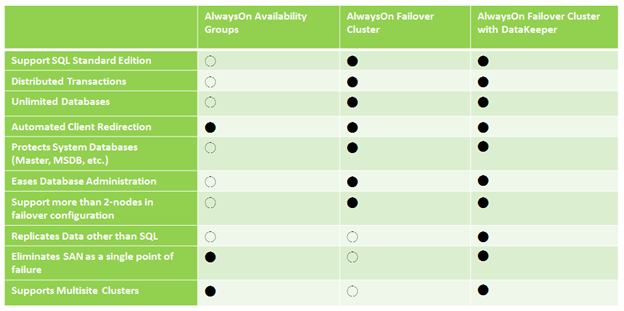
As you can see, Failover Clustering with DataKeeper Cluster Edition is not only going to save you money, it also is going to help you overcome some of the inherent limitations of AlwaysOn Availability Groups.

About the only thing you can’t do with the DataKeeper solution is to have read-only targets. As I mentioned earlier, read-only targets requires a second SQL license, so to have that feature will cost you minimally $54,938. If you really must have read-only targets you’ll be glad to know that you can mix AlwaysOn Failover Clusters with DataKeeper and AlwaysOn Availability Groups if you like. Basically you would wind up with a 2-node SQL failover cluster with DataKeeper and a single standalone SQL Server acting as a read-only target for an AlwaysOn Availability Group. In that case, you would still need two copies of SQL Server Enterprise Edition, one for the cluster and one for the read-only target.

I demonstrated this solution at Tech-Ed 2011 in Atlanta last year and got a lot of really positive feedback. This particular demonstration shows a 2-node multisite cluster, but the same concept can be applied to single site clusters.

https://clusteringformeremortals.com/2011/05/15/sql-server-denali-hadron-multisite-cross-subnet-failover-video-demonstration/

If you have any questions about this article please leave me a comment, I’d be glad to discuss it with you further.

SQL Server 2012 “Standard Edition” Availability Options

Windows Server 8 Failover Clustering – New Features and Relevant Blog Articles

Elden Christensen recently blogged about some of the new features of Windows Server Failover Clustering in Windows Server 8. You can read the entire post here: http://blogs.msdn.com/b/clustering/archive/2012/03/19/10285168.aspx

All of these features are welcome additions, but my personal favorite is the “Dynamic Clusters” or what I think is probably better described as “Dynamic Quorum”. It basically allows the quorum to reconfigure itself dynamically so that if configured properly you could actually withstand the failure of all but one remain node (last man standing) and still have a functional cluster. Previously this was only possible if you used the “Disk Only” quorum model which is not recommended as the disk quorum represented a single point of failure.
With the new dynamic quorum model as nodes are removed from the cluster the remaining nodes reconfigure themselves in the most resilient manner. For example, previously if you had a 5 node cluster using the “Node Majority” quorum model if you happen to lose three nodes the remaining two nodes would shut down as they no longer had a majority vote (2 out of 5 is not a majority). With the new model, as nodes leave the cluster the quorum reconfigures itself so that the remaining two nodes would remain online.
The description above is really an over simplification of what actually happens under the covers and I plan to write more about it in the future, but it is definitely a welcome feature that you should check out!

There are a few other blog articles relevant to clustering in Windows Server 8 that you will definitely want to check out as well….

How to Enable Failover Clustering and Network Load Balancing PowerShell Help on Windows Server “8”:
http://blogs.msdn.com/b/clustering/archive/2012/03/21/10286213.aspx

How to Enable CSV Cache:
http://blogs.msdn.com/b/clustering/archive/2012/03/22/10286676.aspx

How to Create a Cluster in a Restrictive Active Directory Environment: http://blogs.msdn.com/b/clustering/archive/2012/03/30/10289577.aspx

Windows Server 8 Failover Clustering – New Features and Relevant Blog Articles

Step-by-Step: Configuring Windows Server 8 Beta iSCSI Target Software for Use in a Cluster

So you just download the bits for Windows Server 8 Beta and you are anxious to try out all the great new features including Windows Storage Spaces, Continuously Available Fail Servers and Hyper-V Availability. Many of those new features are going to require you become familiar with Windows Server Failover Clustering. In addition, things like Storage Spaces are going require that you have access to additional storage to simulate JBODS. Windows iSCSI Target Software is a great way for you to provide storage for Failover Clustering and Spaces in a lab environment so you can play around with these new features.

This Step-by-Step Article assumes you have three Windows Server 8 servers running in a domain environment. My lab environment consists of the following:

Hardware
My three servers are all virtual machines running on VMware Workstation 8 on top of my Windows 7 laptop with 16 GB of RAM. See my article on how to install Windows Server 8 on VMware Workstation 8.

Server Names and Roles
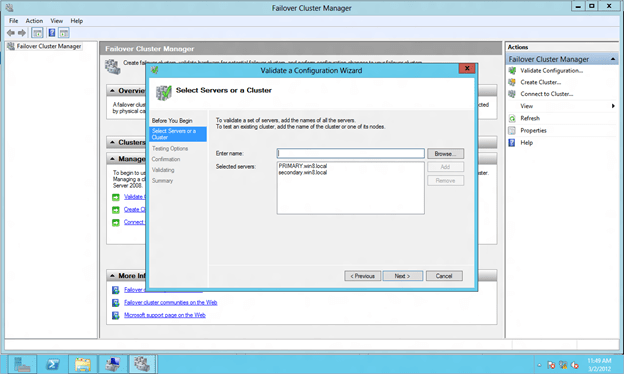
PRIMARY.win8.local – my cluster node 1
SECONDARY.win8.local – my cluster node 2
WIN-EHVIK0RFBIU.win8.local – my domain controller (guess who forgot to rename his DC before I promoted it to be a Domain ControllerJ)

Network
192.168.37.X/24 – my public network also used to carry iSCSI traffic
10.X.X.X /8– a private network defined just between PRIMARY and SECONDARY for cluster communication

This article is going to walk you through step-by-step on how to do the following:

The article consist mostly of screen shots, but I also add notes where needed.

Install the iSCSI Target Role on your Domain Controller

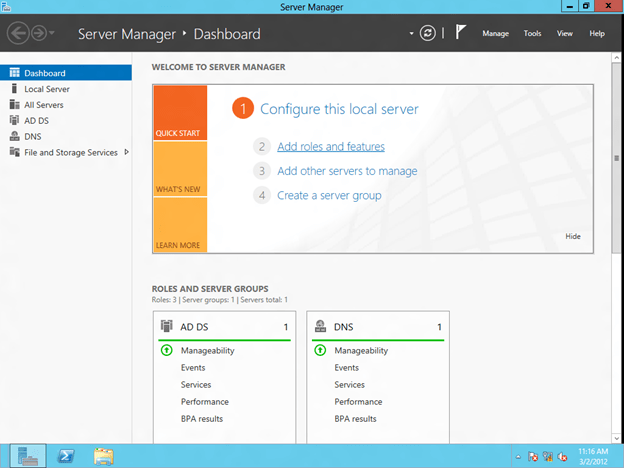
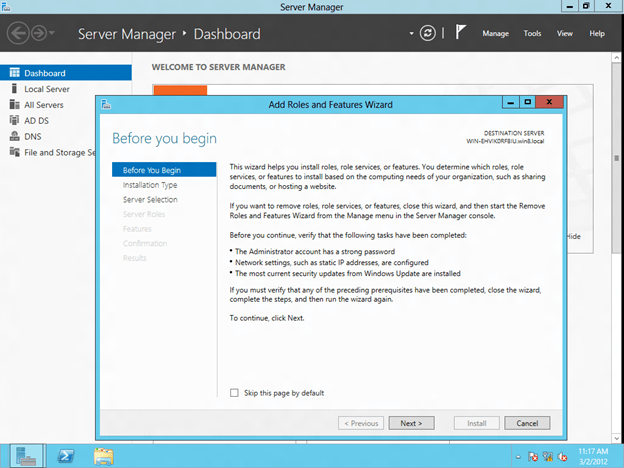
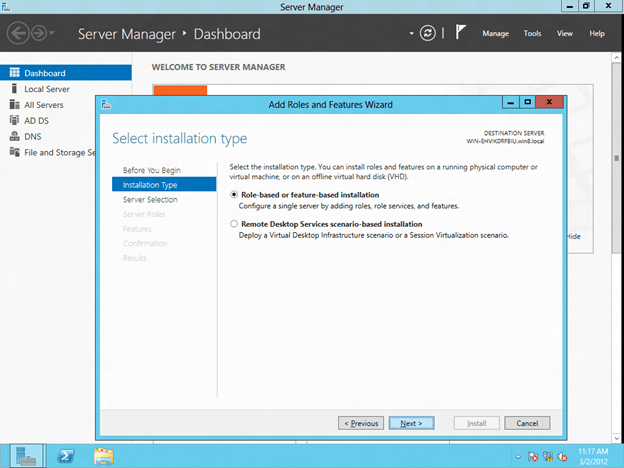
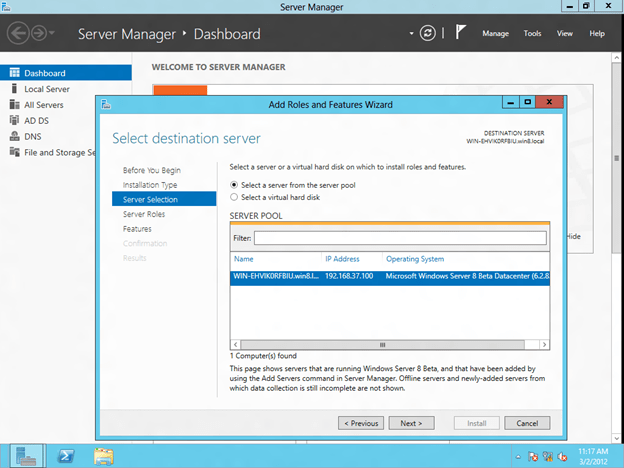
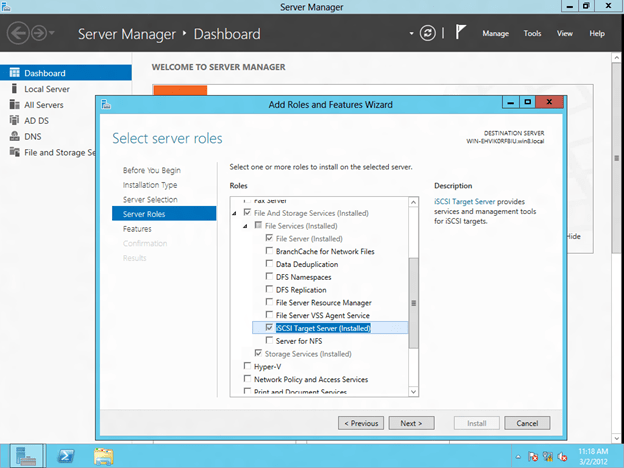
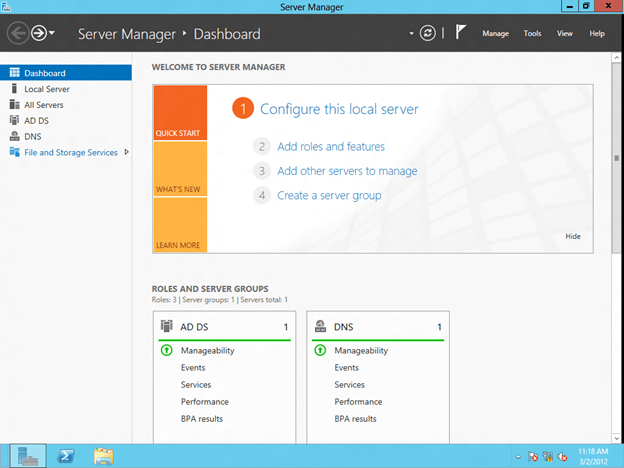
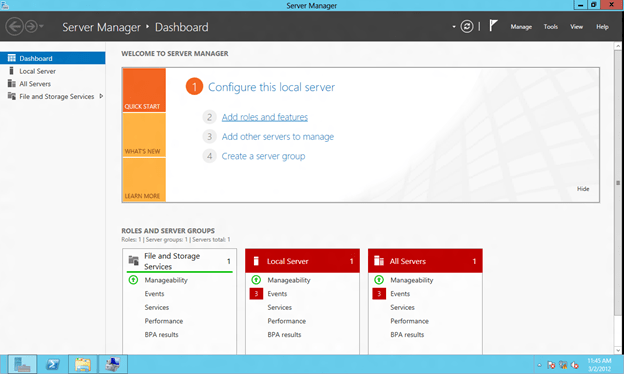
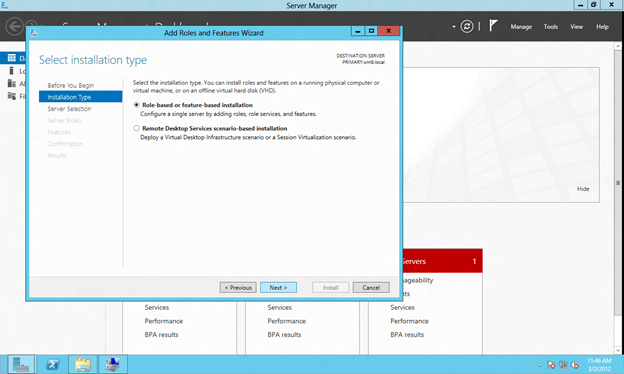
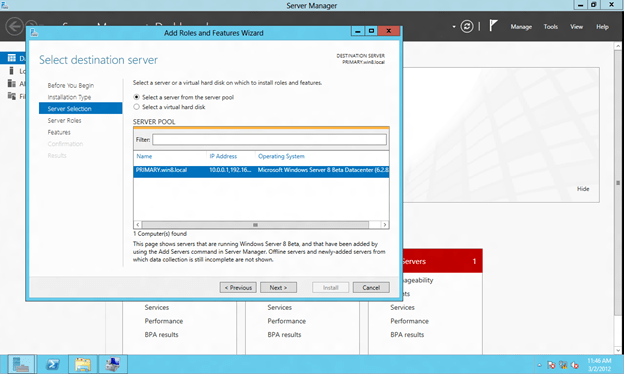
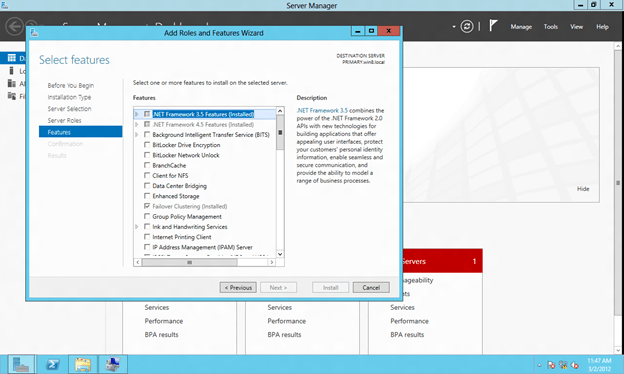
Click on Add roles and features to install the iSCSI target role.

You will find that the iSCSI target role is a feature that is found under File And Storage Servers/File Services. Just select iSCSI Target Server and click Next to begin the installation of the iSCSI Target Server role.

Configure the iSCSI Target

The iSCSI target software is managed under File and Storage Services on the Server Manager Dashboard, click on that to continue

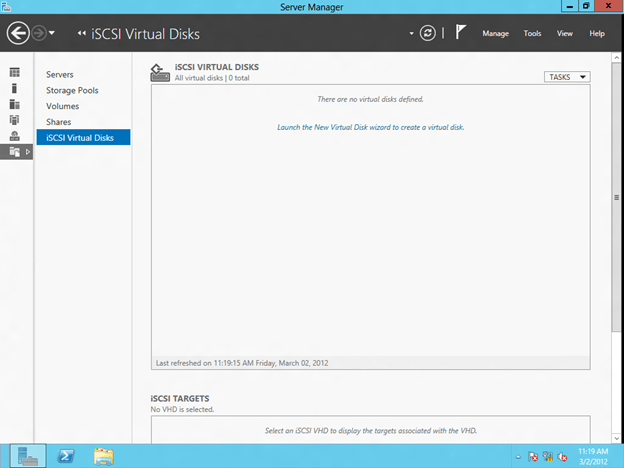
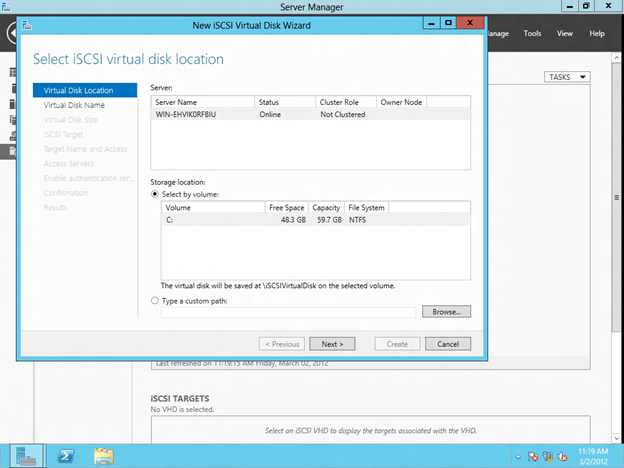
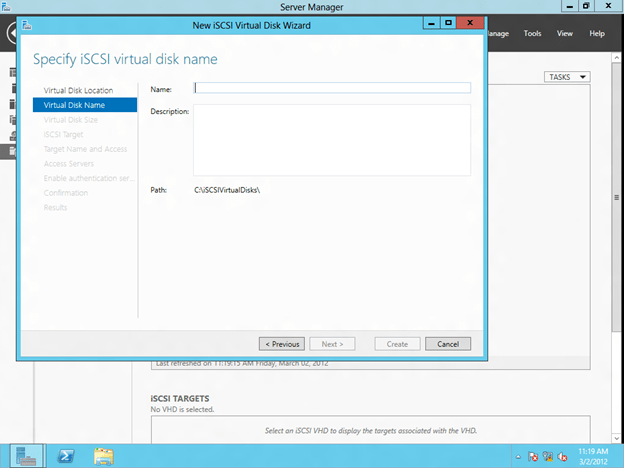
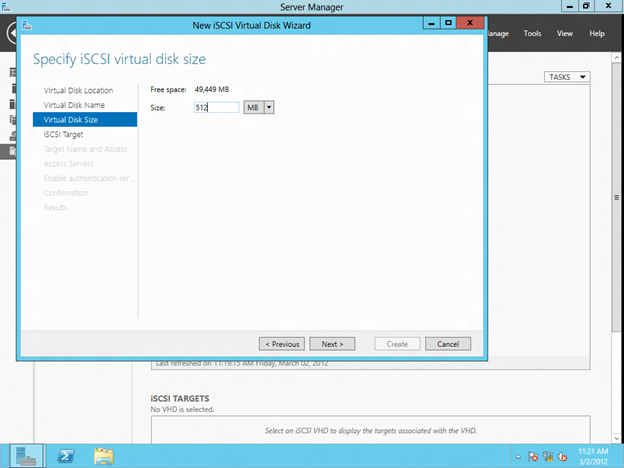
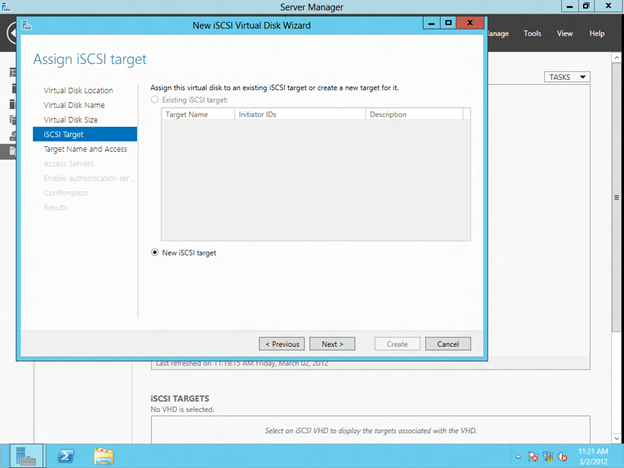
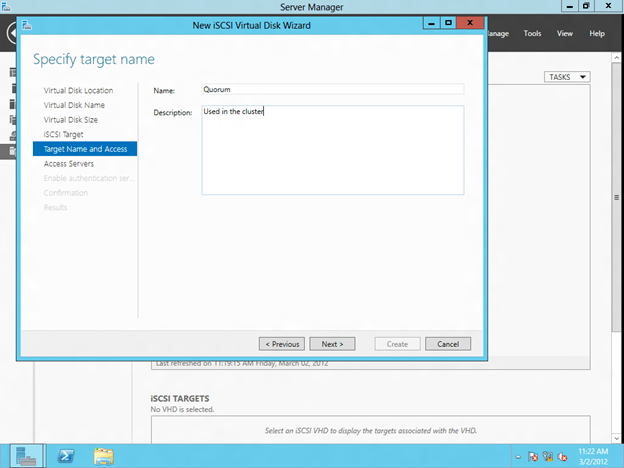
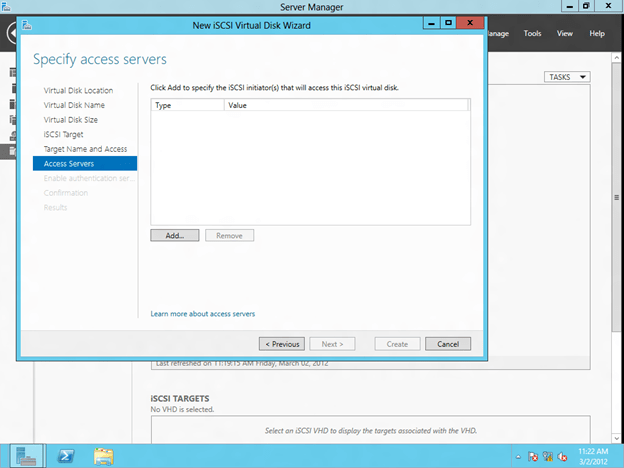
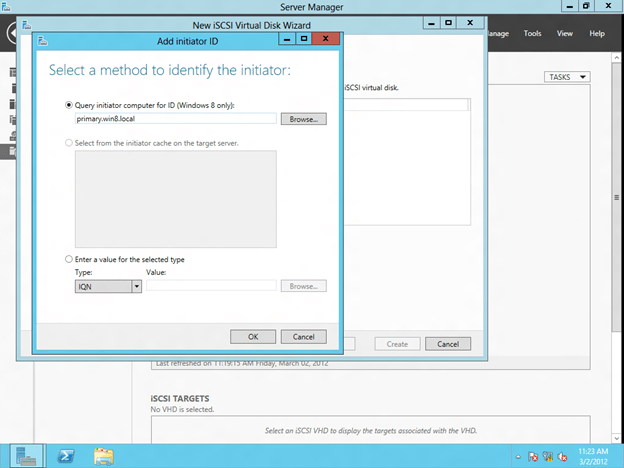
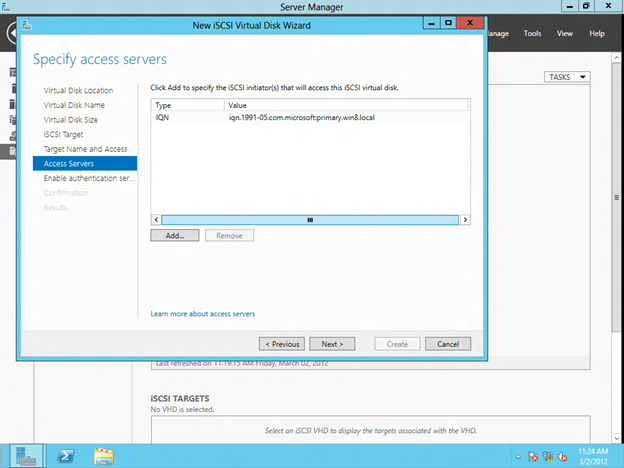
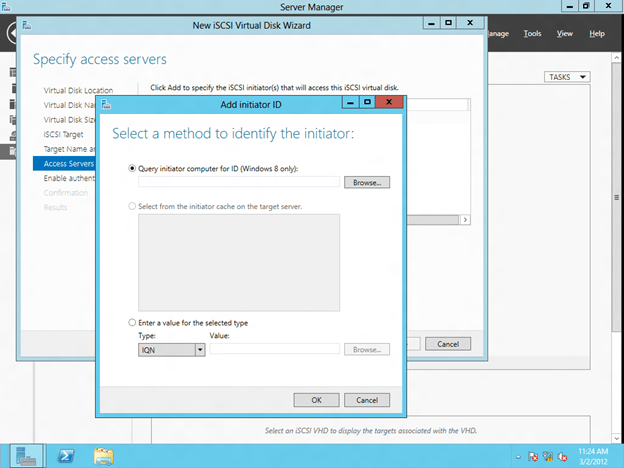
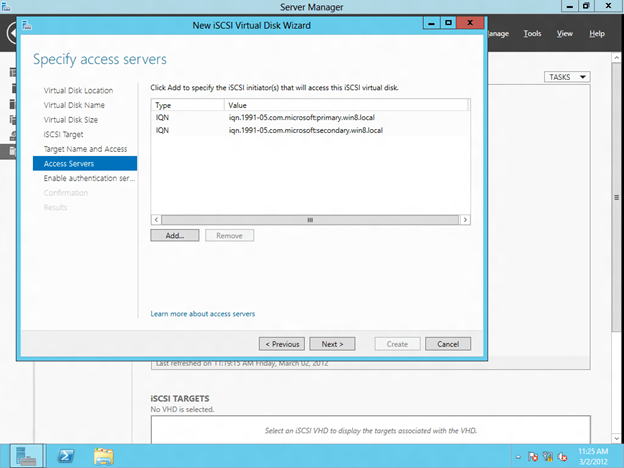
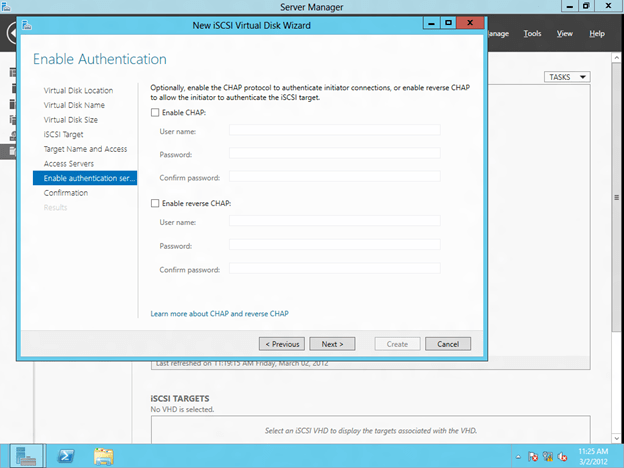
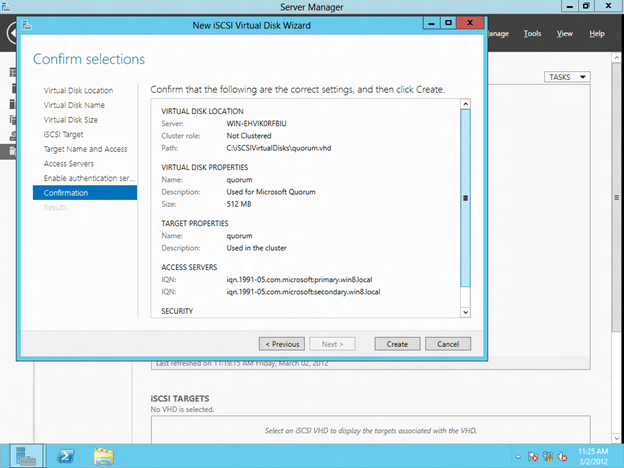
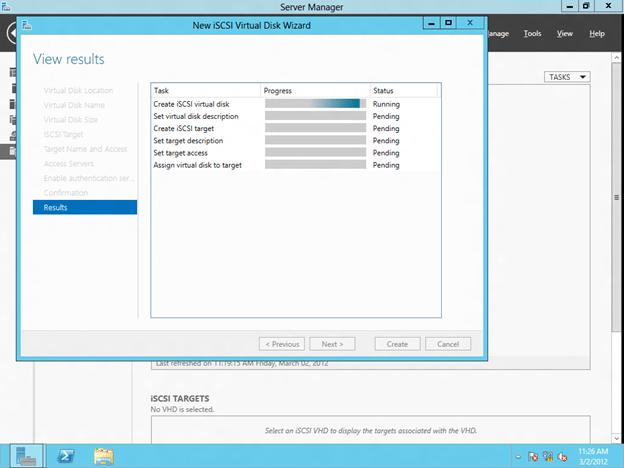
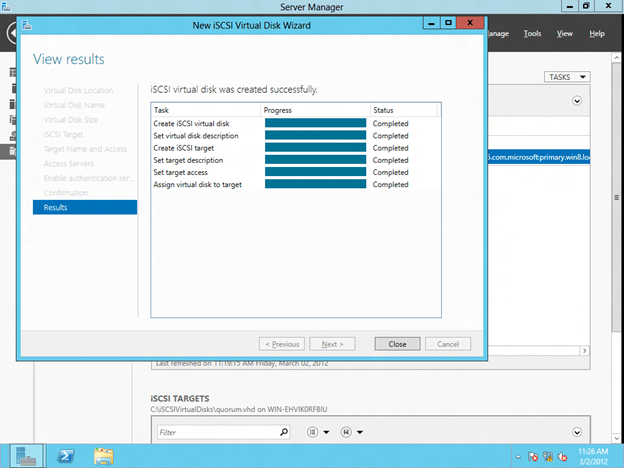
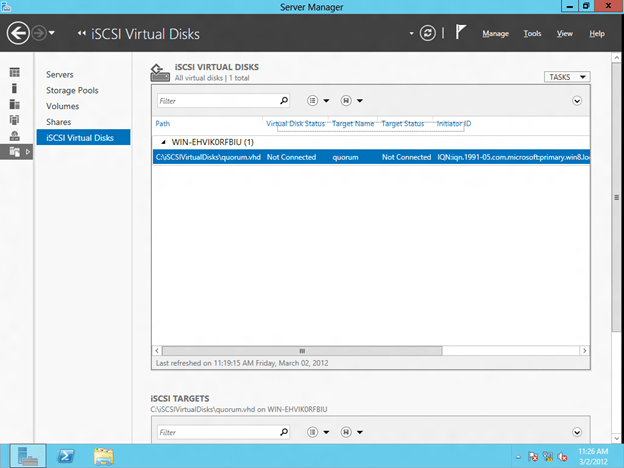
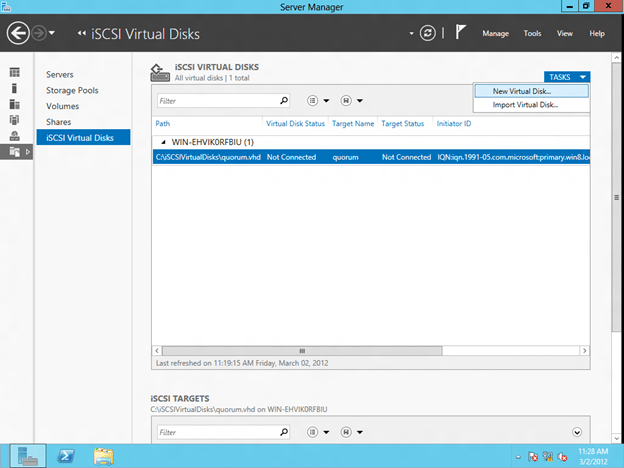
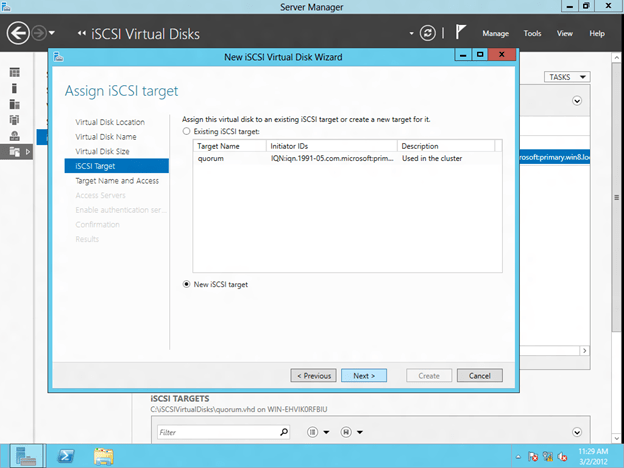
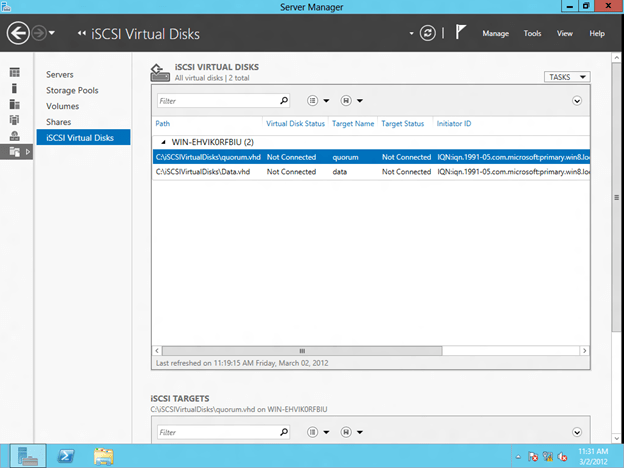
The first step in creating an iSCSI target is to create an iSCSI Virtual Disk. Click on Launch the New Virtual Disk wizard to create a virtual disk.

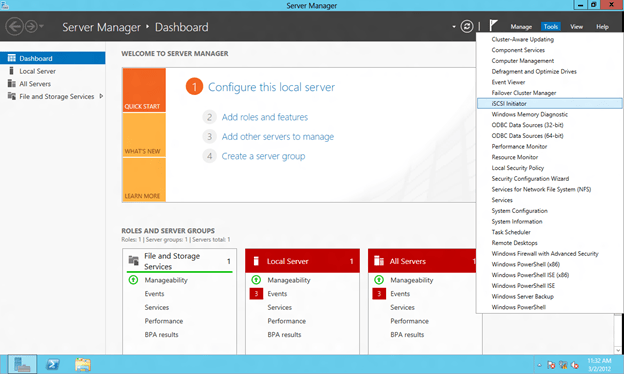
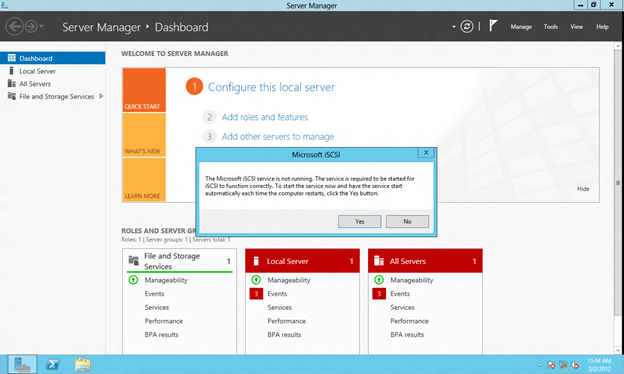
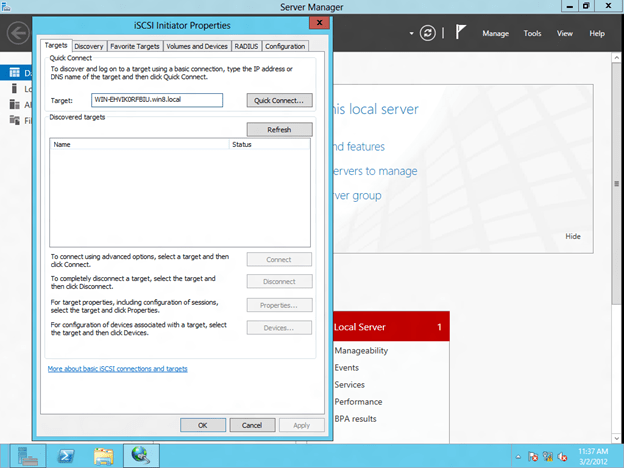
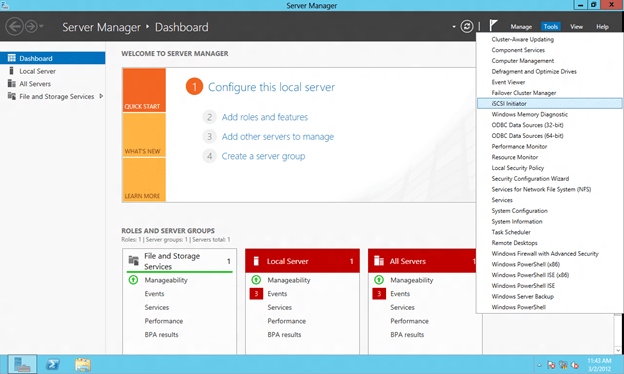
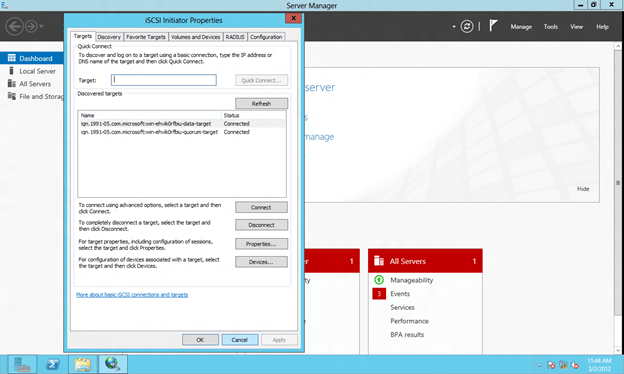
Connect to the iSCSI Target using the iSCSI Initiator

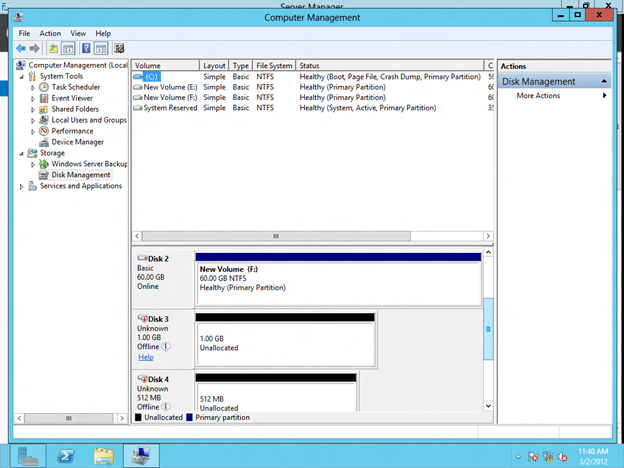
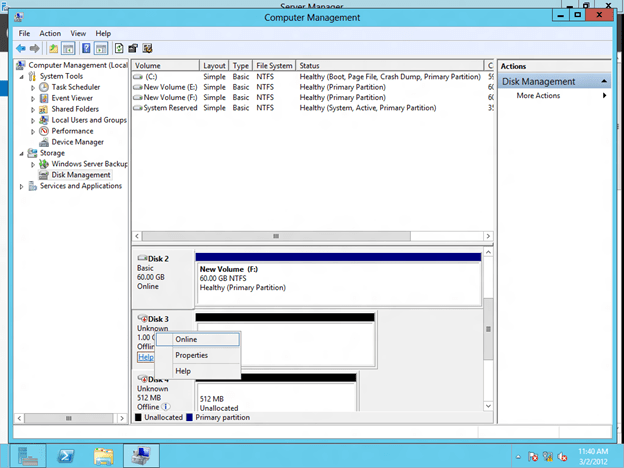
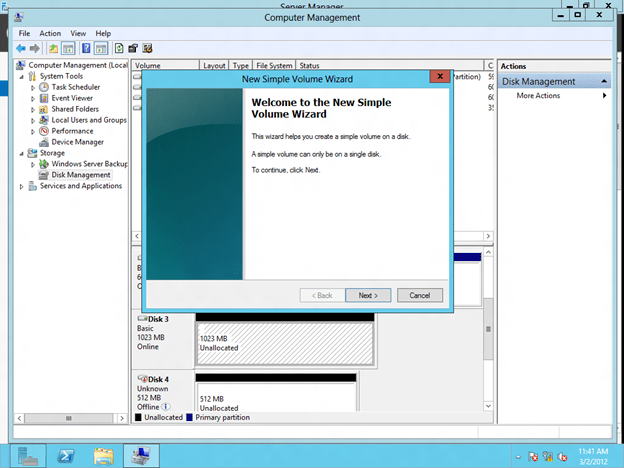
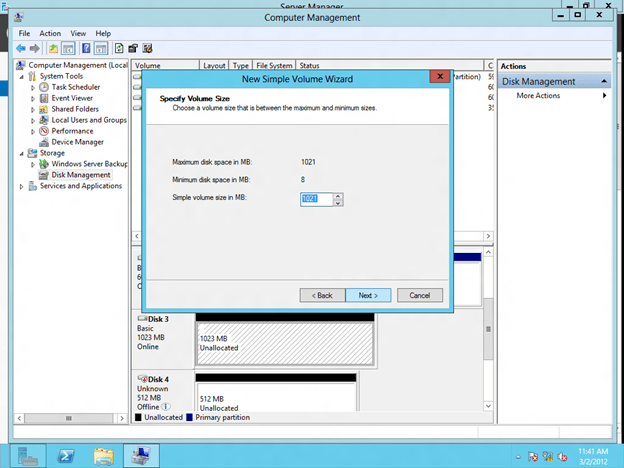
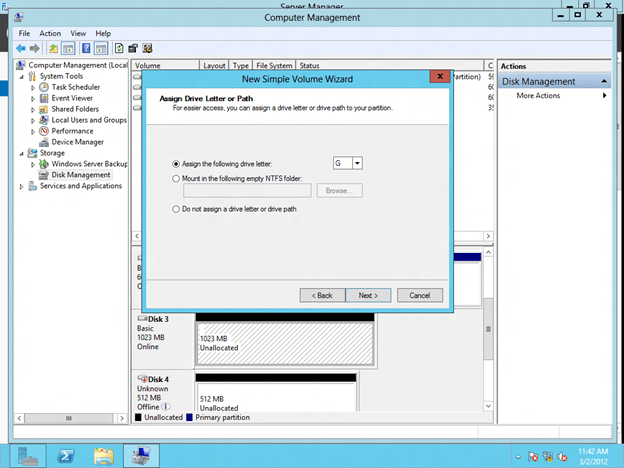
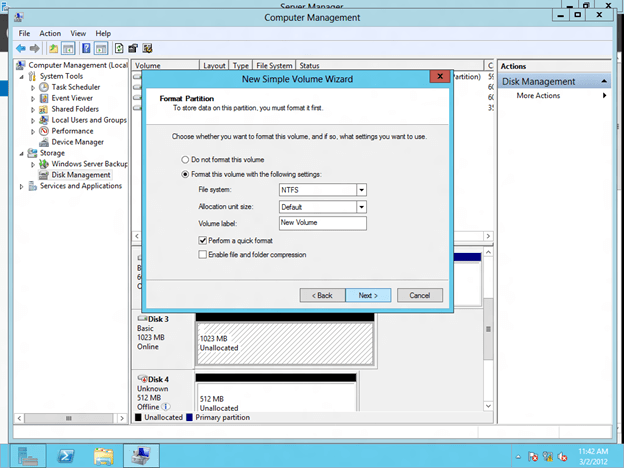
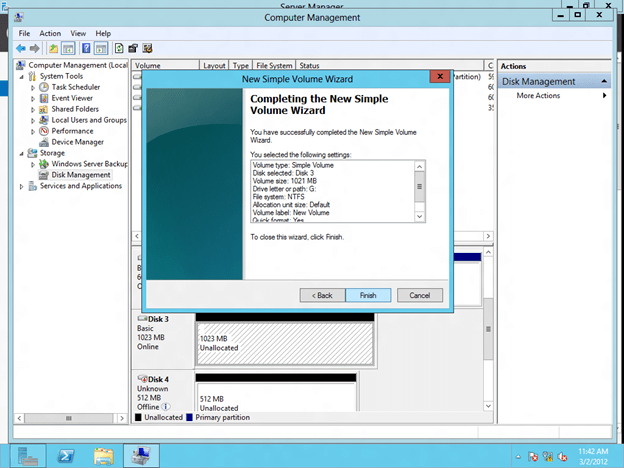
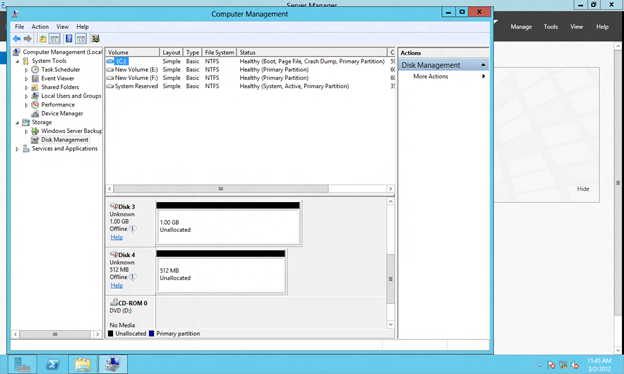
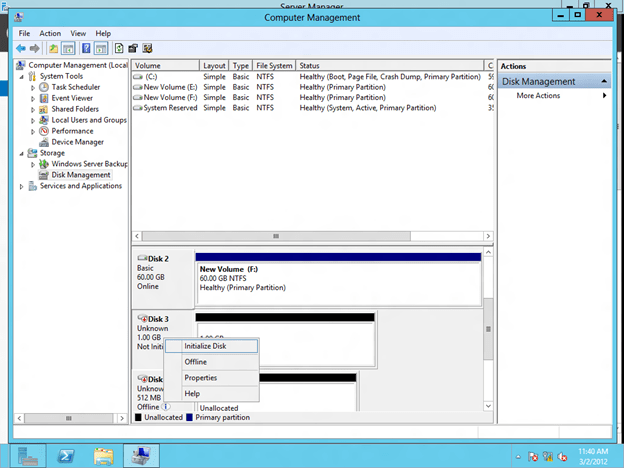
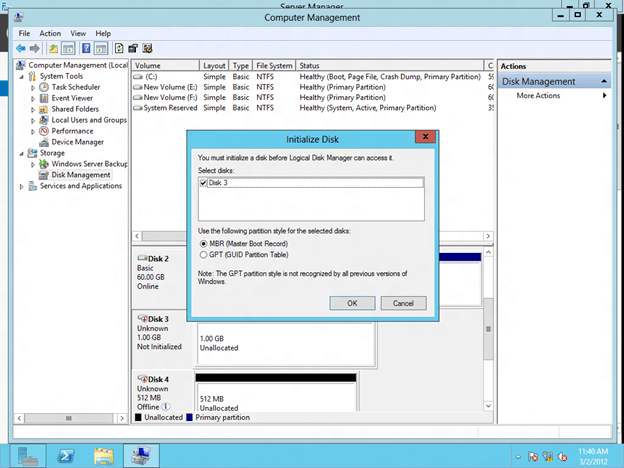
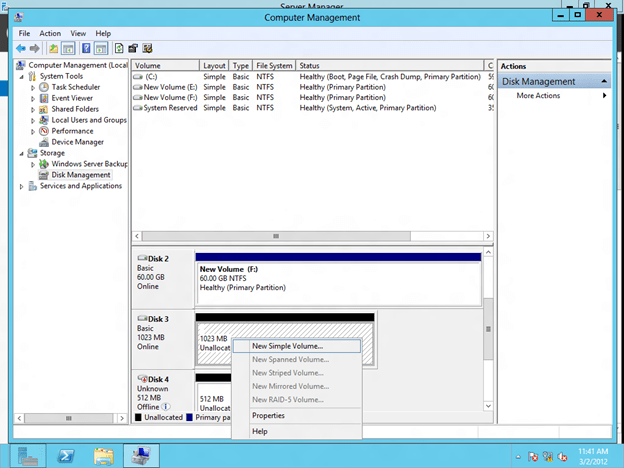
Format the iSCSI Target

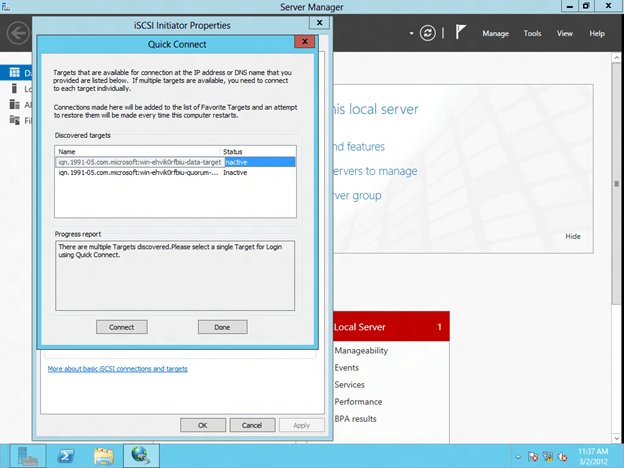
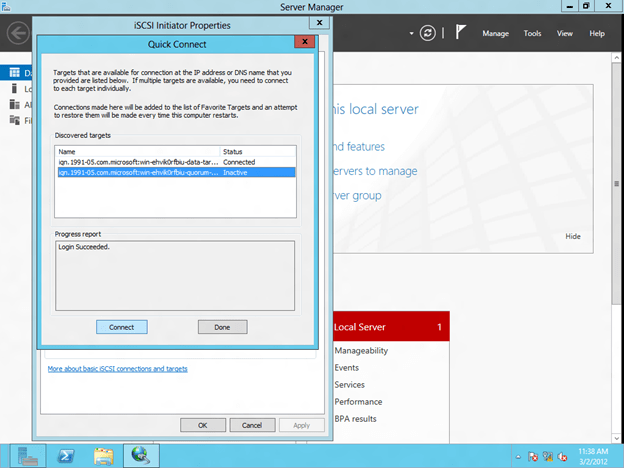
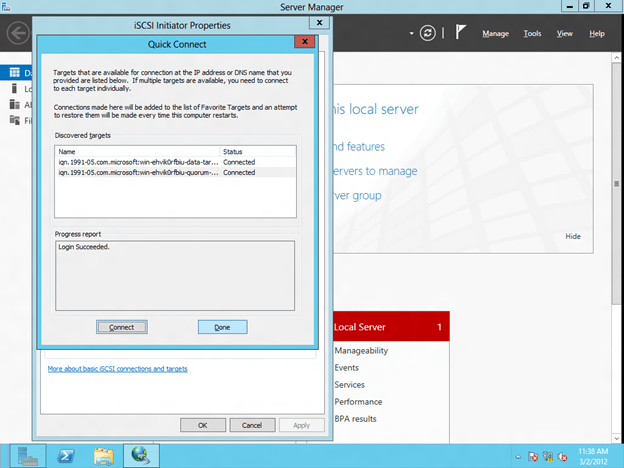
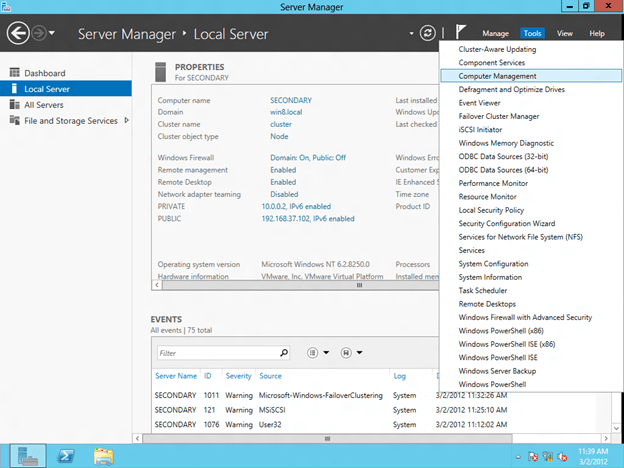
Connect to the shared iSCSI Target from the SECONDARY Server

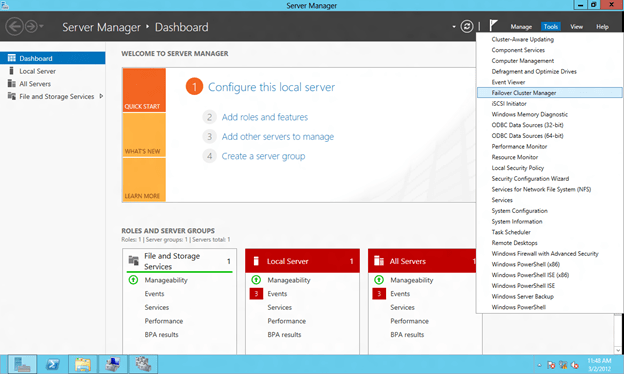
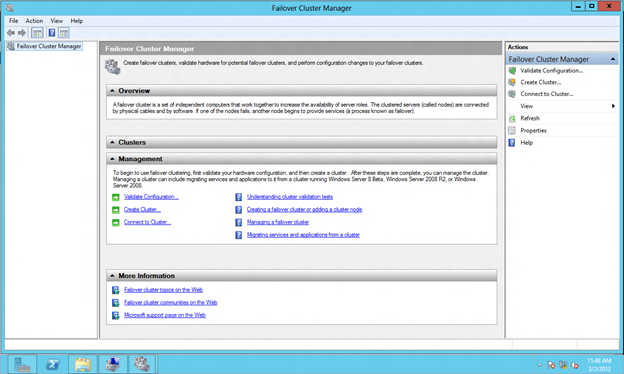
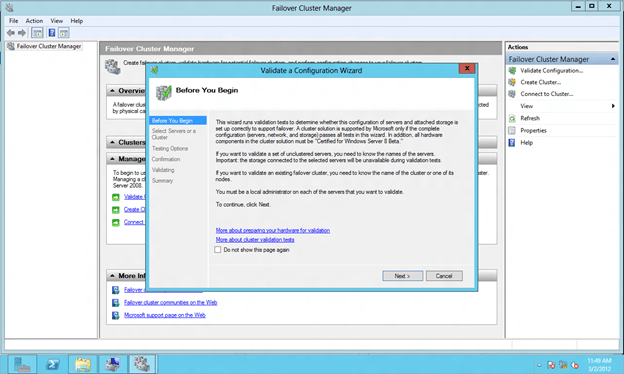
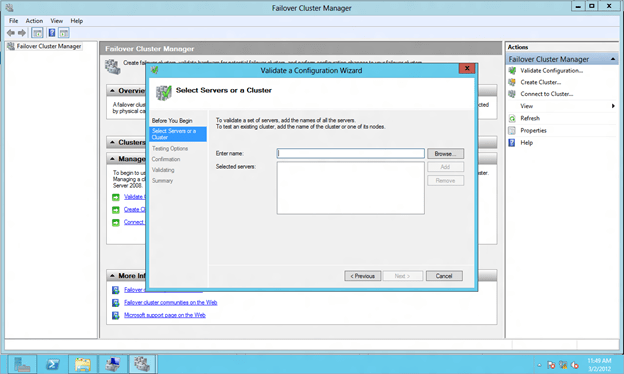
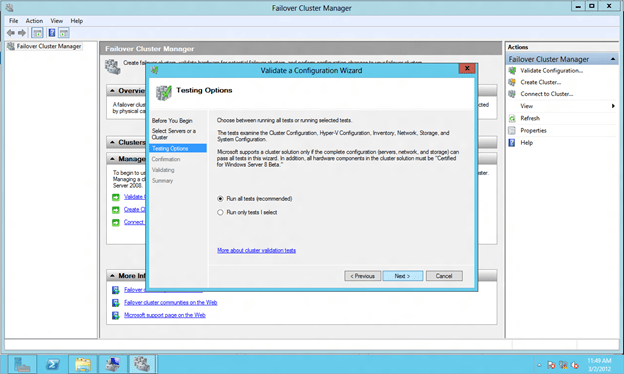
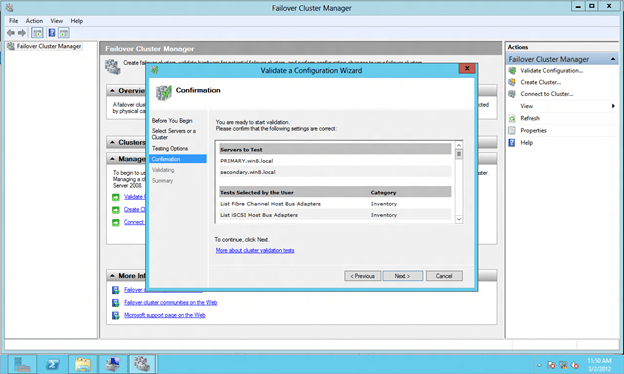
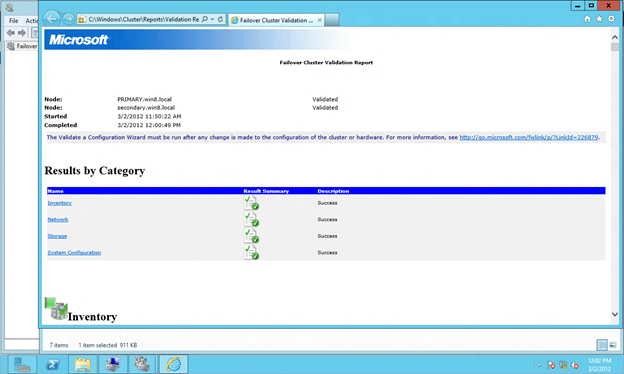
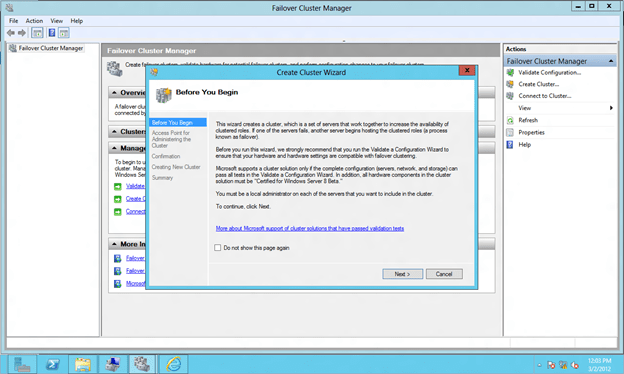
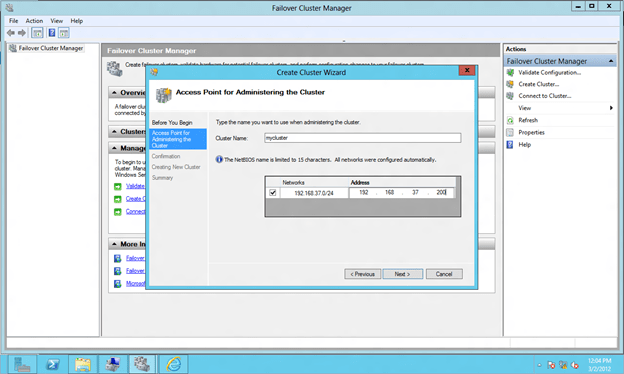
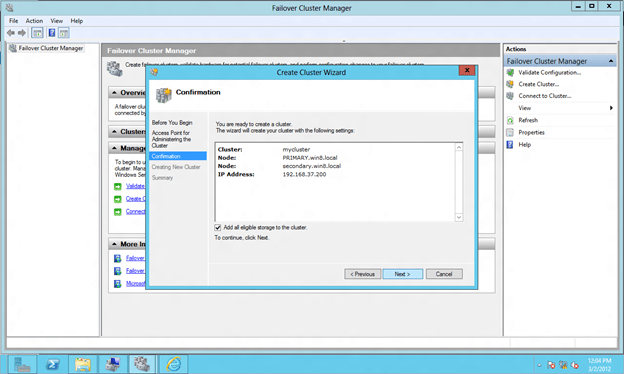
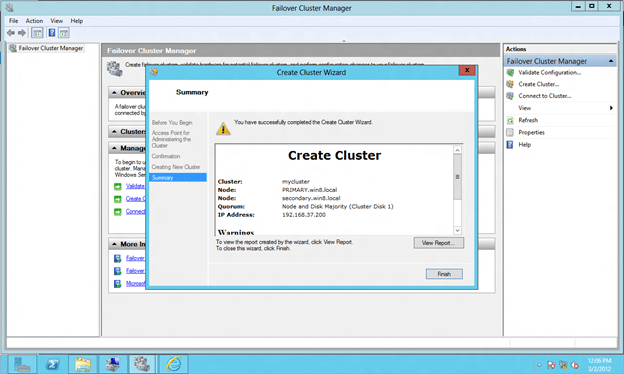
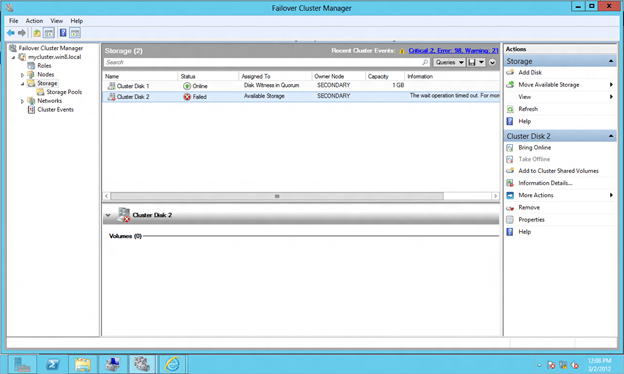
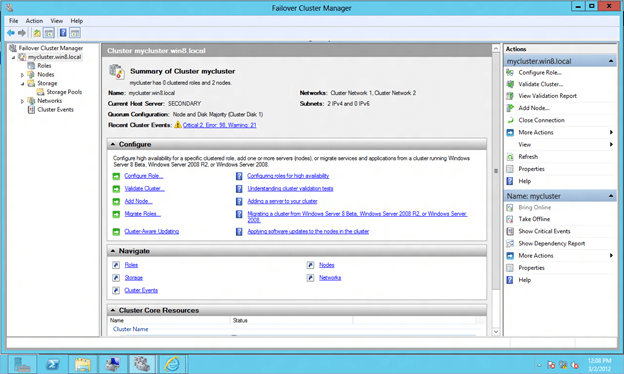
Configure Windows Server 8 Failover Clustering

Step-by-Step: Configuring Windows Server 8 Beta iSCSI Target Software for Use in a Cluster

How to Install Windows Server 8 Beta on VMware Workstation 8

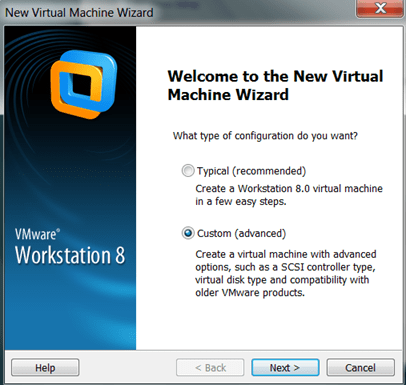
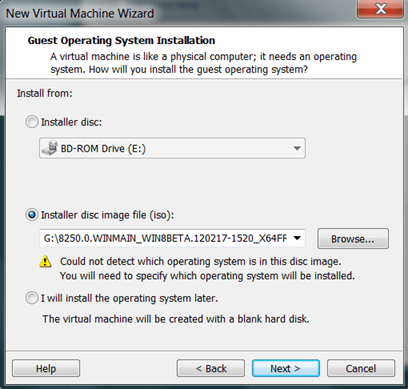
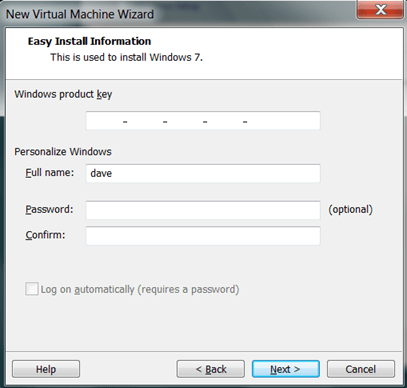
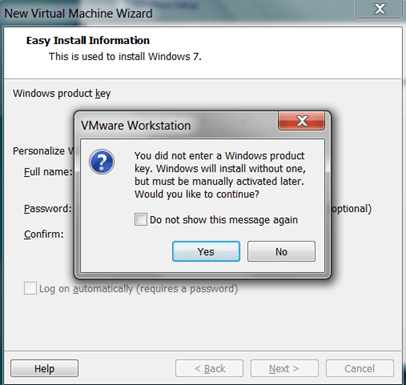
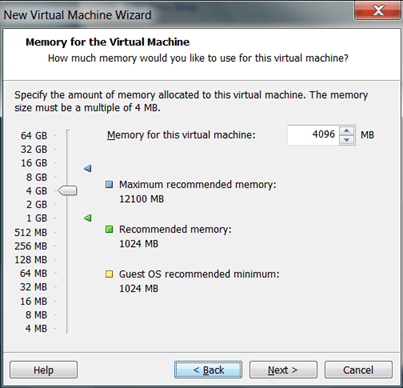
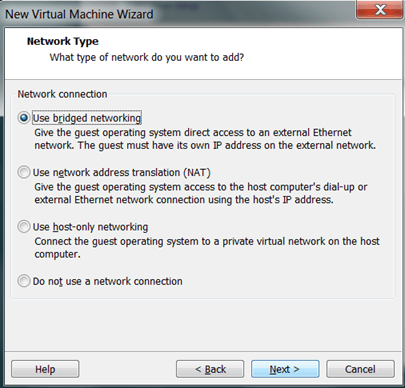
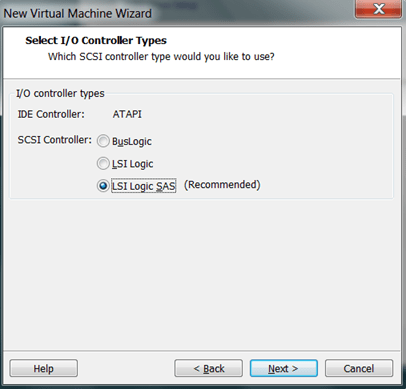
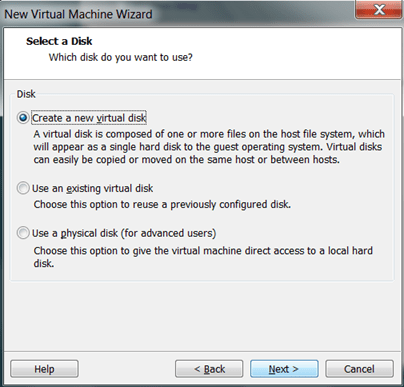
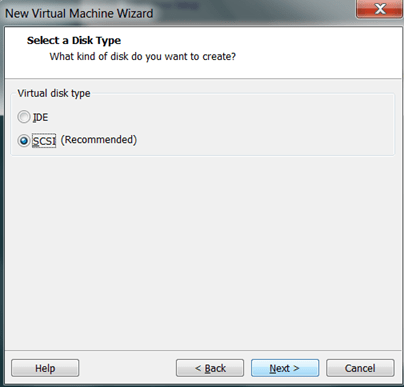
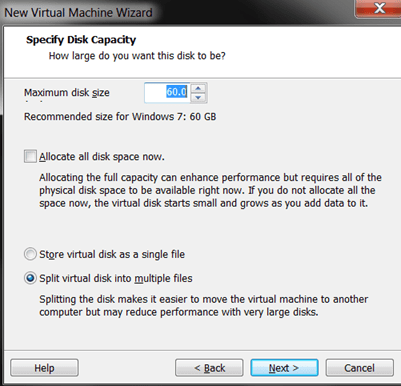
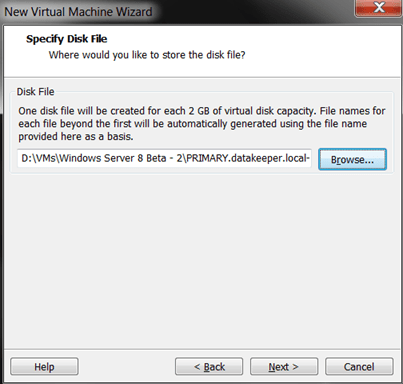
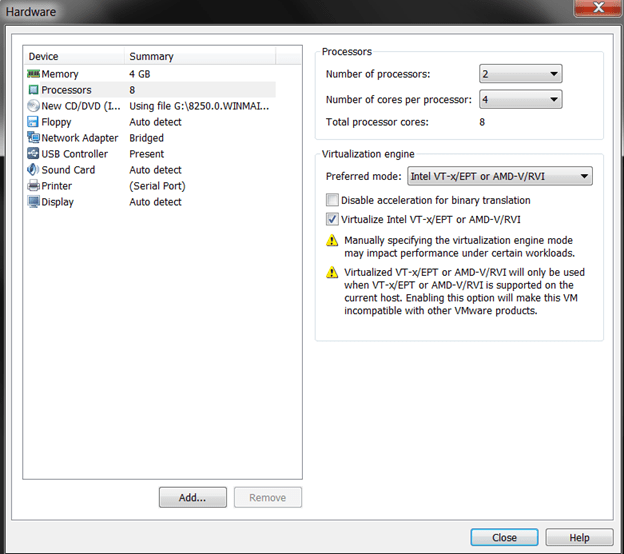
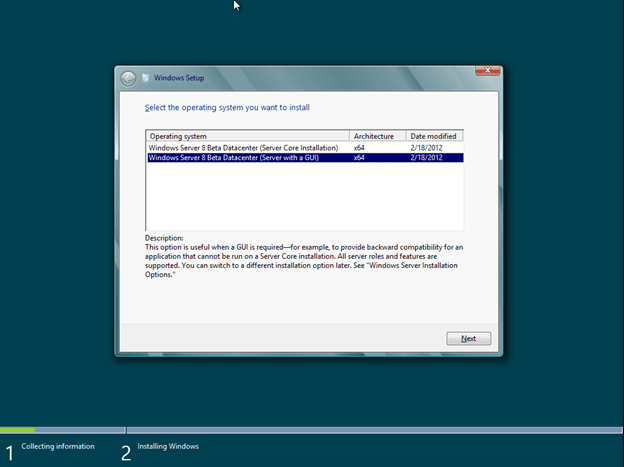
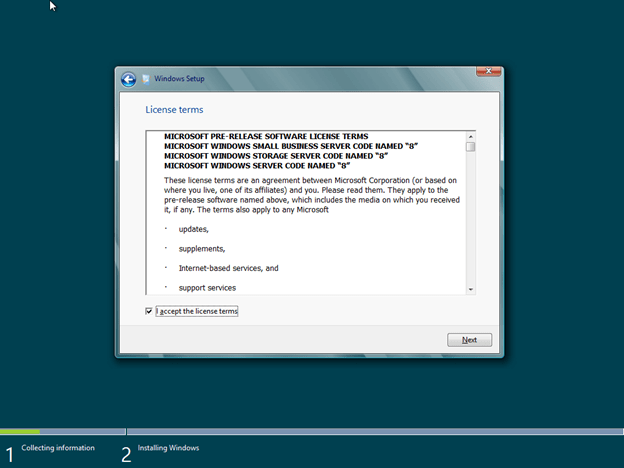
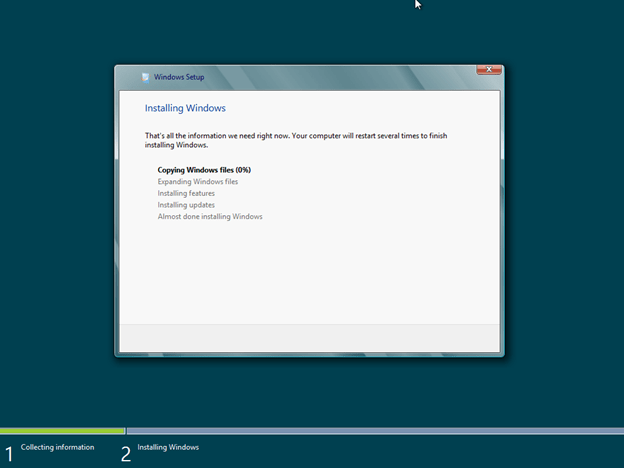
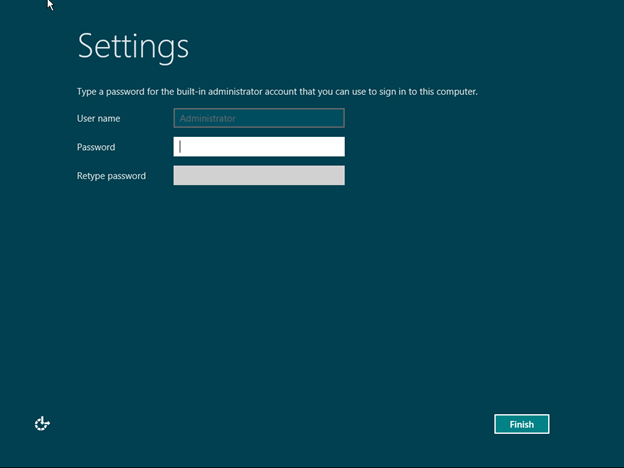
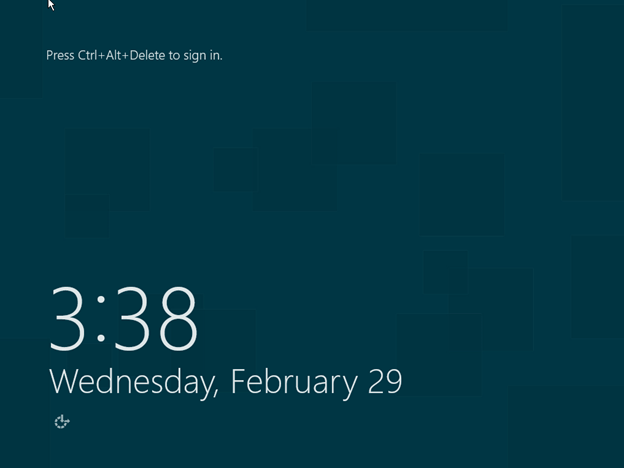
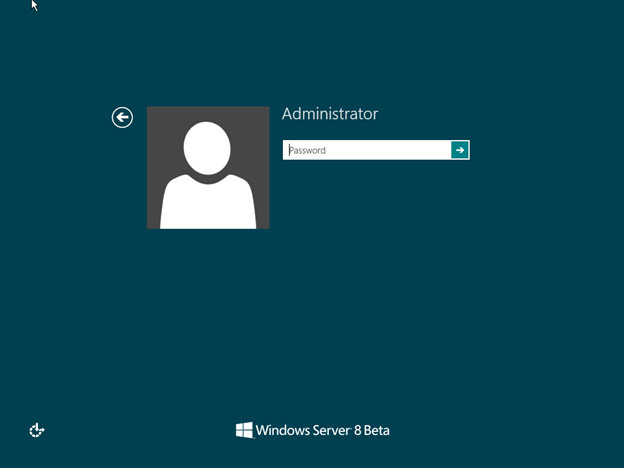
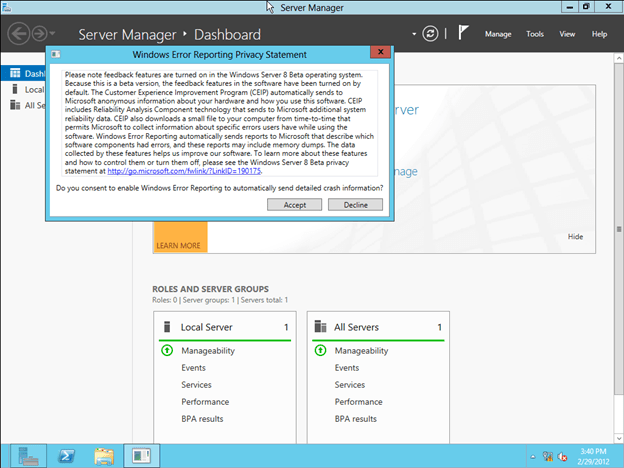
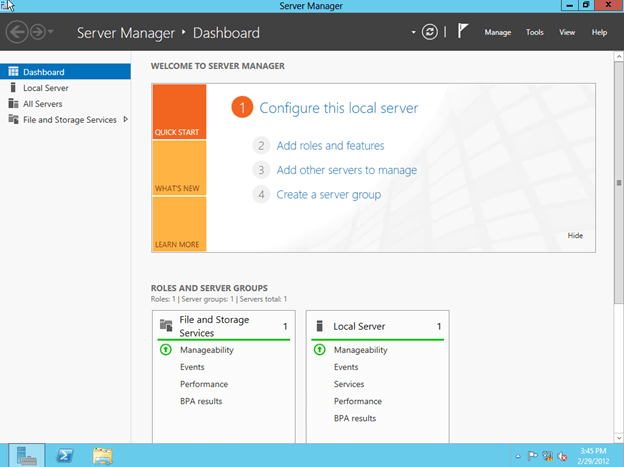
Below are the screen shots that walk you through the process of installing Windows Server 8 Beta on VMware Workstation 8. I have notated the most important things to notice.


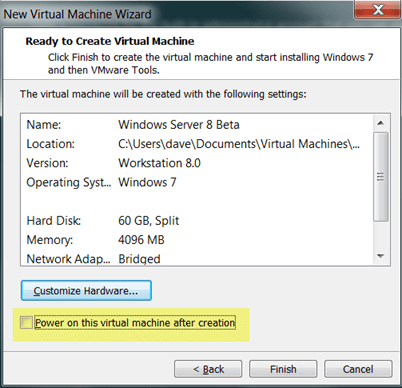
Take note, I choose Windows 7, NOT Windows 7 64-bit. I’m not sure it matters, but I believe this will work best for you.

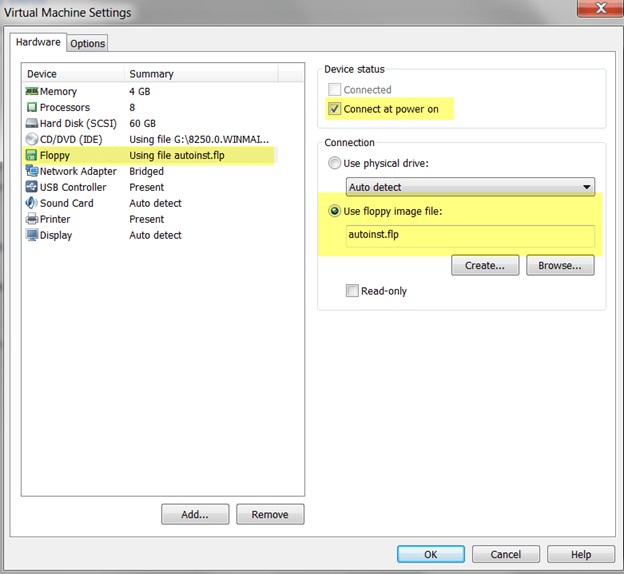
The download is pre-licenses, so you don’t have to enter anything here. However, this will cause problems later if you don’t disconnect the floppy – more on this later.

Click Customize Hardware

Choose the processor that matches your host and enable Virtualize Intel VT-x/EPT (your processor must support this) if you want to run the Hyper-V role on this server. See my earlier blog post on how to make that happen.

Make sure you unselect “Power on this virtual machine after creation”, we need to edit one more thing before we continue.

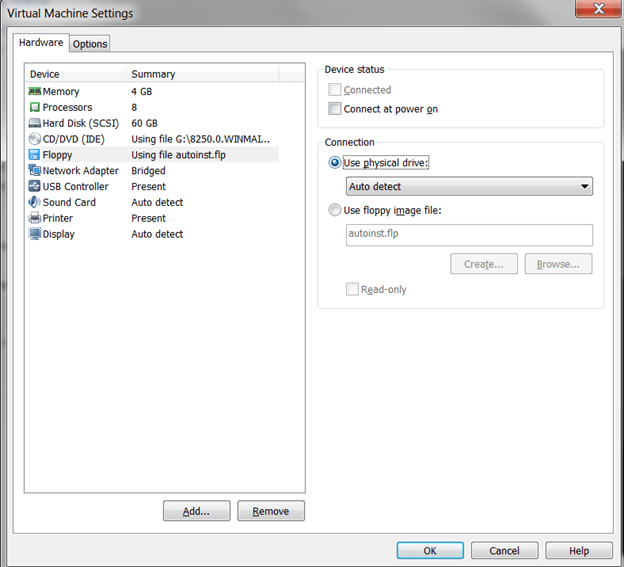
After you create the VM, go back in and disconnect the Floppy, otherwise the install will fail because the autoinst.flp is missing the product key.


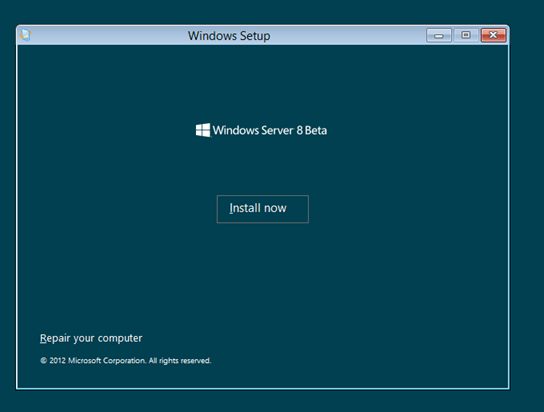
A long while later after a few reboots…

You are now ready to use Windows Server 8 Beta! I have not installed the VMware tools yet, but I’ll probably try later. If you try it let me know what you think.

How to Install Windows Server 8 Beta on VMware Workstation 8

SQL Server 2012 Disaster Recovery – Multisite Clusters

Microsoft just released a great white paper on new support for multisite clusters in SQL Server 2012 for Disaster Recovery. Don’t forget that I blogged about this feature back in May of 2011 and even included a video demonstration which shows a SQL Server 2012 multisite failover cluster for disaster recovery using SteelEye DataKeeper Cluster Edition.

https://clusteringformeremortals.com/2011/05/15/sql-server-denali-hadron-multisite-cross-subnet-failover-video-demonstration/

SQL Server 2012 and cross subnet failover capabilities will open up a whole new world of possibilities for people looking for disaster recovery options for SQL 2012.

SQL Server 2012 Disaster Recovery – Multisite Clusters